


Among the great red wines of Veneto, Valpolicella Ripasso DOC Classico Superiore has a role of its own: it is neither light nor imposing, but the perfect balance between elegance and intensity. It is a wine that is literally “passed again” over Amarone pomace, and from this second passage comes a unique character, appreciated by both experts and those approaching Valpolicella for the first time.
What is Valpolicella Ripasso and why is it called that?
The name “Ripasso” comes from the production technique: young Valpolicella wine is re-fermented on the pomace (skins and solid parts) used for Amarone or Recioto. This process takes place after the pressing of the dried grape wines, between January and March.
Valpolicella Ripasso combines two souls: on one hand it retains the drinkability and freshness of Valpolicella Classico, on the other it gains body, softness and tannins from the Amarone pomace.
It is a versatile wine that can accompany a wide variety of dishes. It is often defined as the “everyday Amarone”, because it offers a similar structure at a more accessible price and with a more approachable style.
The Farina Ripasso: elegance and authenticity
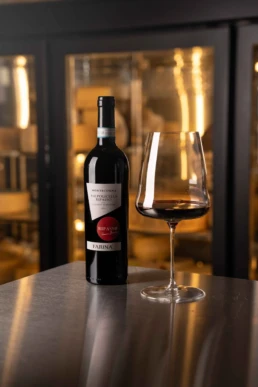
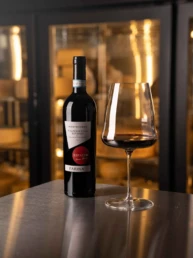
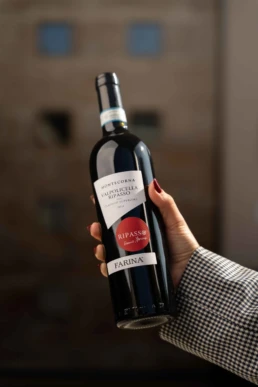
The version signed by Farina Wines is a Valpolicella Ripasso DOC Classico Superiore Montecorna, produced in the historic area of Valpolicella and aged in oak barrels and barriques for about one year.
On the nose it stands out for its aromatic richness: ripe red fruit, sweet spices, black pepper, and a light toasted note. On the palate it is enveloping, with velvety tannins and good persistence.
Farina also includes it in its winery wine experiences, where it is often one of the most appreciated wines during tastings.
What to pair with Ripasso?
Valpolicella Ripasso is perfect to accompany:
- Grilled or stewed red meats
- Pork or veal roasts
- Medium-aged cheeses
- Rich first courses, such as lasagna, tagliatelle with mushrooms or flavorful risottos
Its versatility makes it suitable both for an important dinner and for a more informal evening. Served at 16–18 °C, it best expresses all its complexity.
Ripasso and Amarone are not mutually exclusive
Many people think that choosing Valpolicella Ripasso means “settling” for the younger brother of Amarone. In reality, they are very different wines. Ripasso is more direct, more agile, less concentrated, but no less refined. In fact, for some dishes (such as risottos or stuffed pasta) it can be a more balanced choice than Amarone.
Moreover, some sommeliers also recommend it with oily fish or vegetarian dishes with strong flavors, precisely because of its balance between structure and freshness.
Visit Farina Wines and taste Ripasso where it is made
The best way to understand a wine is to taste it where it is produced. Farina Wines opens the doors of its winery with guided tours, vineyard walks and complete tastings. Valpolicella Ripasso DOC Classico Superiore is always one of the highlights of this experience, together with Amarone, Valpolicella Classico and other labels.
Frequently asked questions
Ripasso is obtained by re-fermenting Valpolicella on Amarone pomace, while Amarone is produced directly from grapes dried for months. Ripasso is less alcoholic and fresher, while Amarone is more structured and complex.
The price ranges between €12 and €25 for a good bottle. Versions from historic wineries like Farina offer an excellent balance between quality and price.
Perfect with red meats, roasts, cheeses, but also pasta dishes with mushrooms or ragù. Its versatility also makes it suitable for traditional Veronese dishes such as Amarone risotto.
Sì, soprattutto nella versione SuperioreYes, especially in the Superiore version. It can be stored for 5–8 years under good conditions, developing more evolved aromas and greater softness.
One of the Valpolicella Ripasso DOC Classico Superiore wines is called Montecorna because the grapes are grown on Monte Masua, in the Montecorna vineyard, in San Pietro in Cariano, in the heart of Valpolicella Classica. This vineyard is located right behind the historic house and represents the tradition and winemaking excellence of the Farina family.